

In this guideMantas or reefs?
Mantas or reefs?
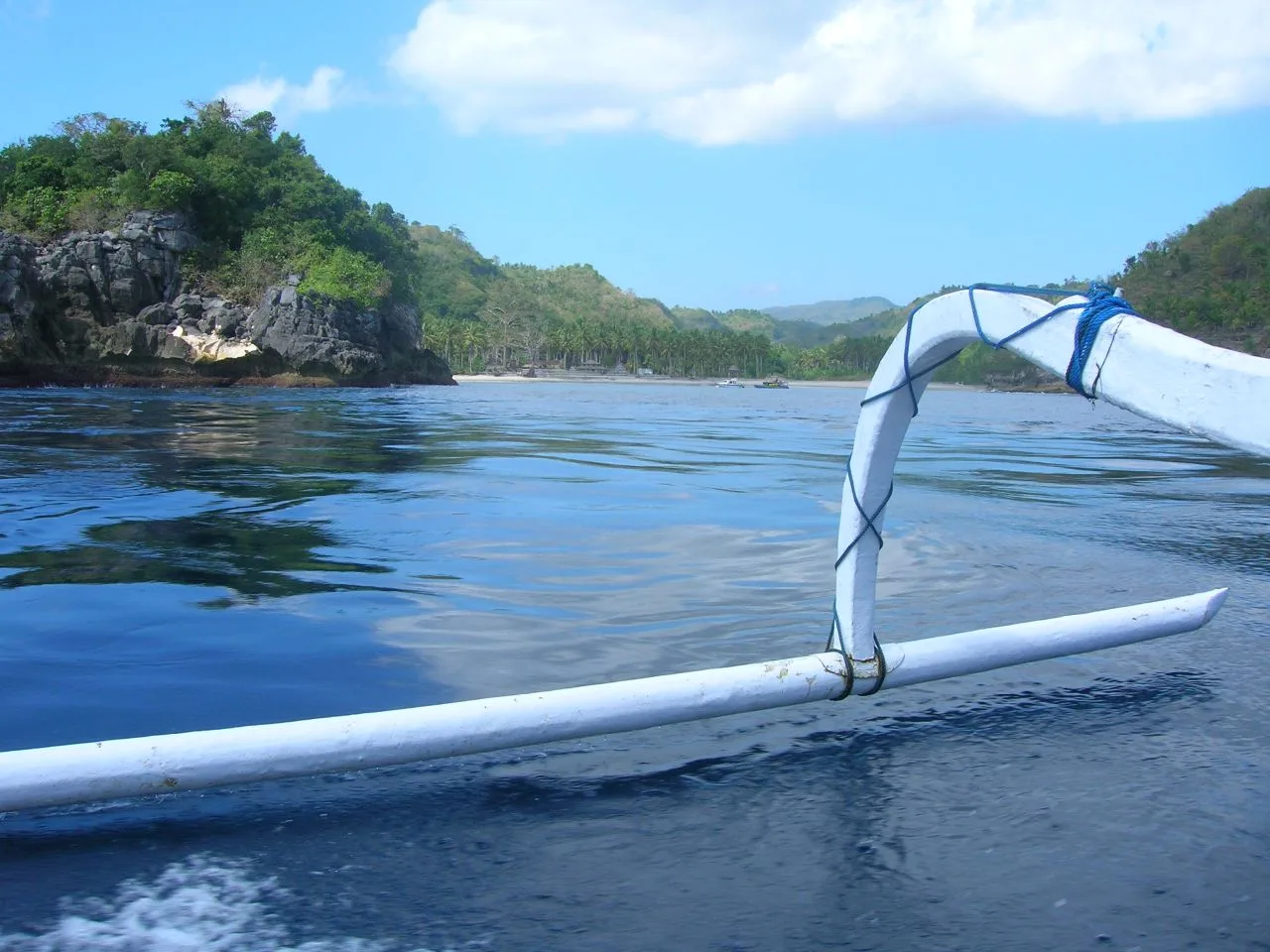
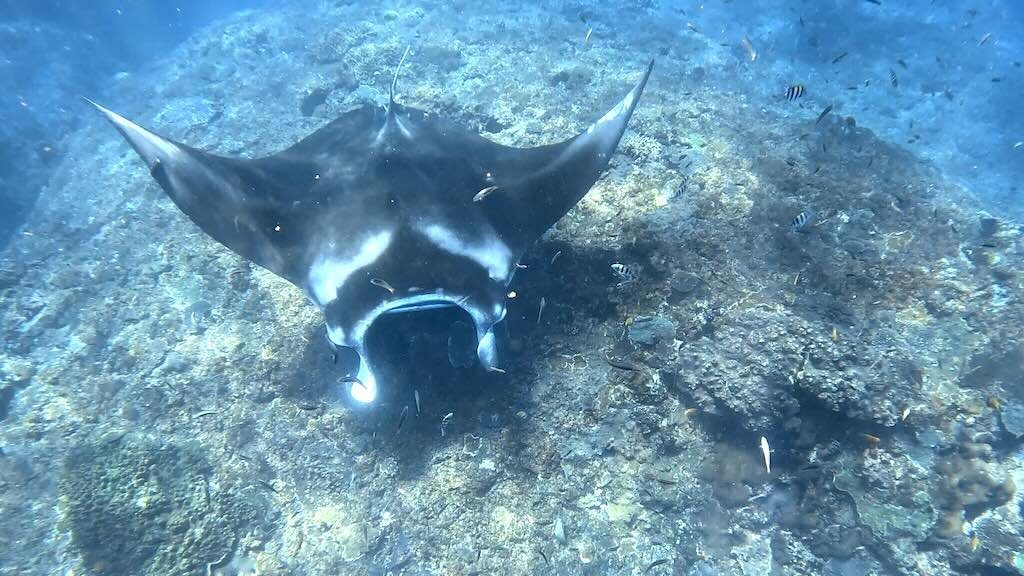
Start with what you most want to see. If it’s mantas, choose a trip that stops at Manta Point. If coral, turtles and a shorter boat ride matter more, a reef-heavy trip suits you better. Most shared trips mix both, and the guide picks the order on the day.
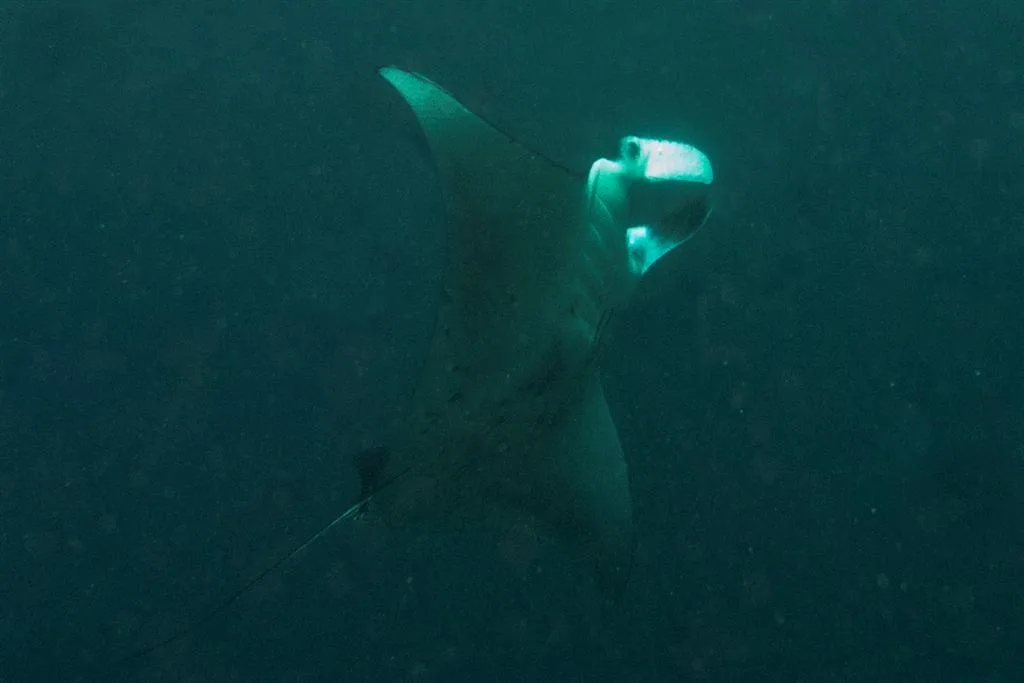
Blaise Jaeger of Nusapenida.org puts manta sightings at about 95% of visits to Manta Point and about 60% at Manta Bay, which is closer and easier to reach. Mantas are wild, though, and rough sea can cancel a stop. Don’t book on a promise of a sighting.
Where the stops are
SD Point off Ped is another drift snorkel on the north coast, but it isn’t on our trips. Ask your operator whether theirs includes it.
Our two shared trips
Made, Admin of Visit Penida, can arrange two shared trips:
- The Manta Point trip plans Manta Point, Gamat Bay and Turtle Point. Choose it if Manta Point is the priority.
- The four-stop trip plans Manta Bay, Gamat Bay, Wall Point and Crystal Bay. It goes to Manta Bay, which is a different site from Manta Point.
Both include a shared boat, snorkeling gear and some videos recorded by the boat guide. Hotel pickup isn’t included: you make your own way to the meeting point Made confirms. The sea decides which stops the boat can reach, and manta sightings aren’t guaranteed. Ask Made about any meal you need before paying.
Limited-time offer through (Bali time): our three-stop Manta Point trip costs IDR 400,000/person, with a shared boat, snorkeling gear and some videos from the boat guide; hotel pickup isn't included. Rate confirmed on . See the stops and booking terms for Manta Point Snorkeling: 3 Spots.
Limited-time offer through (Bali time): our four-stop Manta Bay trip costs IDR 250,000/person, with a shared boat, snorkeling gear and some videos from the boat guide; hotel pickup isn't included. Rate confirmed on . See the stops and booking terms for Shared Snorkeling: 4 Spots.
Customer cancellations aren’t refundable. You can reschedule once if you ask at least 3 days before the trip, to a date within 3 months. If the provider cancels because of weather, you choose a refund or a new date.
The current at each stop
Nusa Penida’s water moves a lot, and each stop has its own catch:
- Manta Point: the current is usually mild, but swell and surge push you around on this open coast.
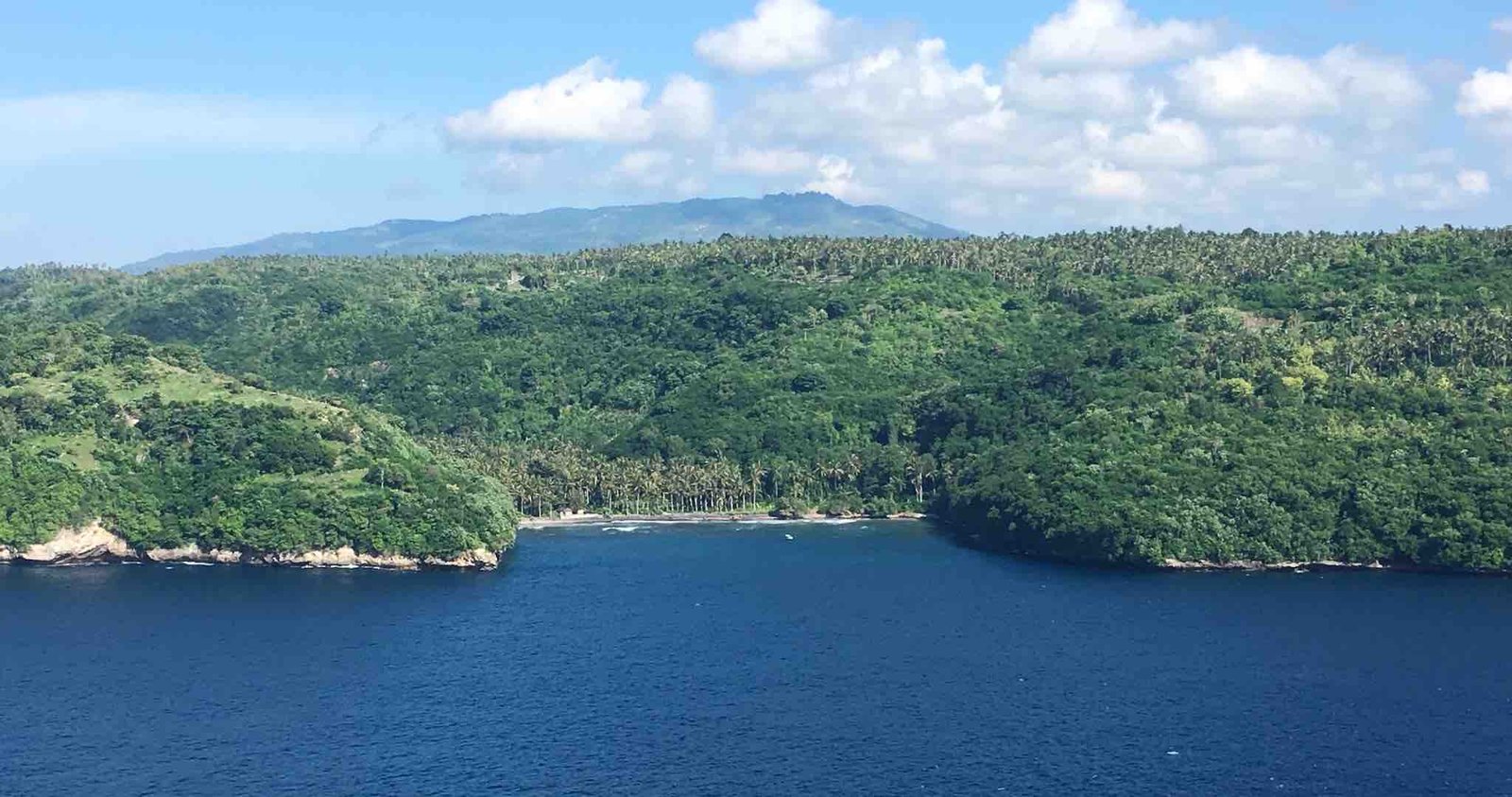
- Gamat Bay: stay over the plateau. The current at the mouth can be strong and can change direction.
- Crystal Bay: stay inside the bay. Blaise warns the current can be strong at the end of the bay and near the channel.
- Toyapakeh: the strait current is strong and changes with the tide. You drift along the reef and the boat picks you up farther along.
If you feel yourself being pulled away, raise your hand and signal the boat instead of swimming hard against it. Check the BMKG marine forecast for Nusa Penida Harbour the day before: it shows waves, wind, current and tide. On the day, accept the guide’s call if they shorten or skip a stop.
Who should skip which stop
- Weak swimmers: skip Manta Point and the drift at Toyapakeh. Ask to snorkel Gamat’s shallow plateau in a life jacket, or stay aboard. A vest doesn’t make strong current safe.
- If boats make you very sick: Manta Point means a long ride and a swell entry. Take medication before you board, or choose a trip without it.
- If climbing back onto a boat is hard: tell the guide first. On drift stops you climb aboard wherever the boat collects you.
- Mola mola hopefuls: they appear from about July to October, but deep down for divers. Don’t plan a snorkel around them.
How to behave around mantas
The Manta Trust’s advice for swimmers:
- Get in quietly, at least 10 m from the manta.
- Don’t go closer than 3 m. Stay still and let it come to you.
- Approach from the side and leave its path ahead clear.
- Don’t chase a manta or touch it.
- Keep your fins under the surface so you don’t splash.
Don’t use a camera flash or swim over the cleaning rocks. The Manta Point guide has the marine park’s own rules and why they matter on a busy site.
Before you get in
Tell the guide how well you swim. Then ask:
- Where do we get in and out, and how long do we stay?
- How close should I stay to you?
- Which hand signals do we use, and what do I do if I lose the group?
- Do you have a life jacket and fins in my size?
Snorkeling Crystal Bay from the beach
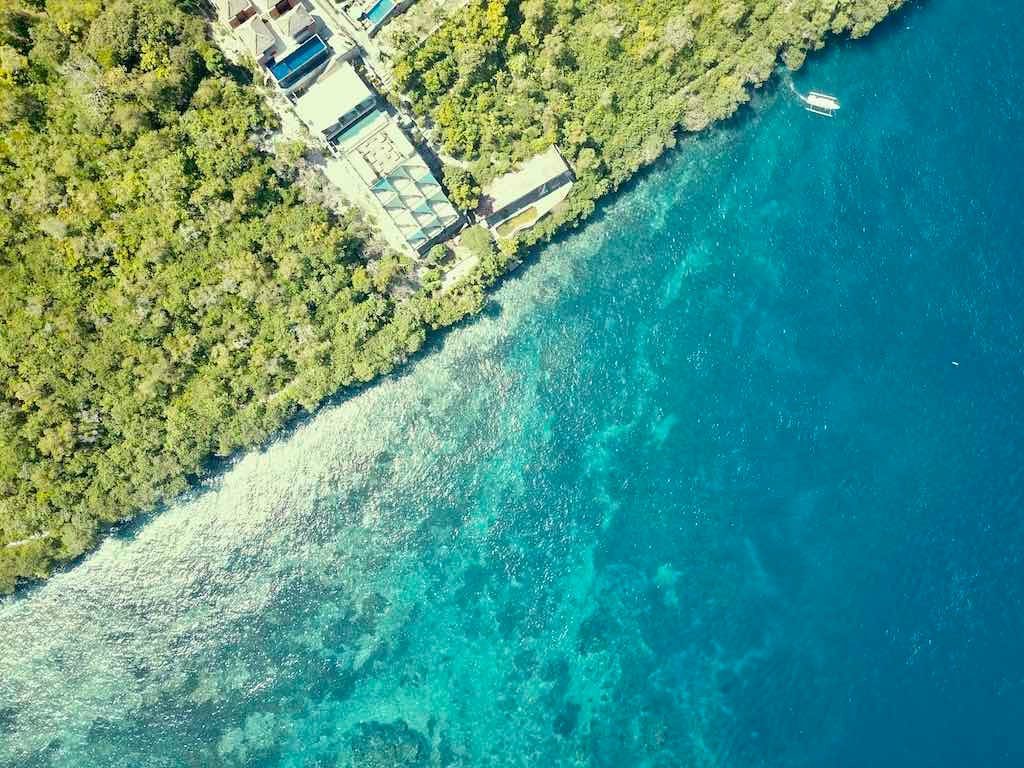
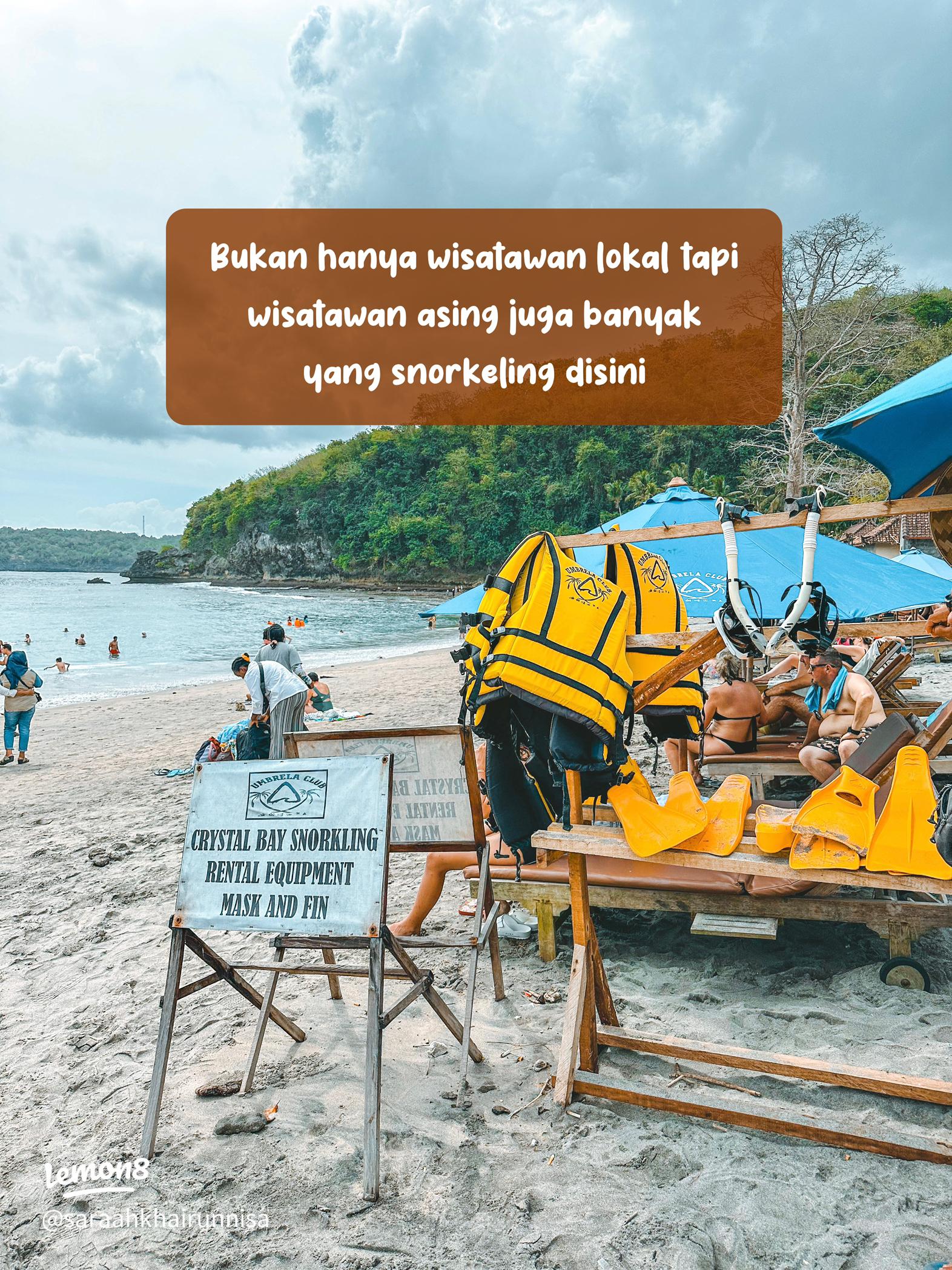
You don’t need a boat for Crystal Bay. Warungs on the sand rent masks, snorkels and fins. Enter from the sandy middle of the beach and stay inside the bay, but remember nobody follows you on a shore entry. A boat stop at Crystal Bay doesn’t include time on the beach, so plan that separately. The Crystal Bay snorkeling guide has the details.
Give snorkeling its own day
Use a half day for the water instead of adding a heavy land tour afterwards. Blaise finds Crystal Bay calmer in the morning and Manta Point busiest around midday, so an early start helps. The 5D4N itinerary gives west, east and snorkeling separate days, with room for a second try if the sea cancels the first. Arrange transport to the meeting point once you know where it is.
Visual guide
Nusa Penida Snorkeling Tour Guide visual guide
Real, credited travel photography selected to explain the route, area, or experience.
Continue planning
Compare before you book
Research notes
Sources and verification
Check current boat times, prices and conditions before you go.
We used the sources below. We haven't recorded an on-site check, so ask locally about current access and facilities.
- Visit Penida travel services catalogue, snorkeling trips and booking terms Source checked Oct 13, 2026
- Blaise Jaeger's Manta Point dive and snorkel guide (Nusapenida.org, updated 4 September 2026) Source checked Oct 13, 2026
- Blaise Jaeger's Crystal Bay dive guide (Nusapenida.org, updated 13 September 2026) Source checked Oct 13, 2026
- Blaise Jaeger's Crystal Bay beach and shore snorkeling guide (Nusapenida.org, updated 13 September 2026) Source checked Oct 13, 2026
- Emperor Divers, Nusa Lembongan and Nusa Penida dive sites Source checked Oct 13, 2026
- Manta Trust, How to Swim with Manta Rays Source checked Oct 13, 2026
- BMKG marine forecast for Nusa Penida Harbour Source checked Oct 13, 2026