
Snorkeling
Toyapakeh Wall Snorkeling: Reef, Current and Drift
 By Made Surya
Last edited:
Facts reviewed:
In this guideWhere it is and what you’ll see
Where it is and what you’ll see
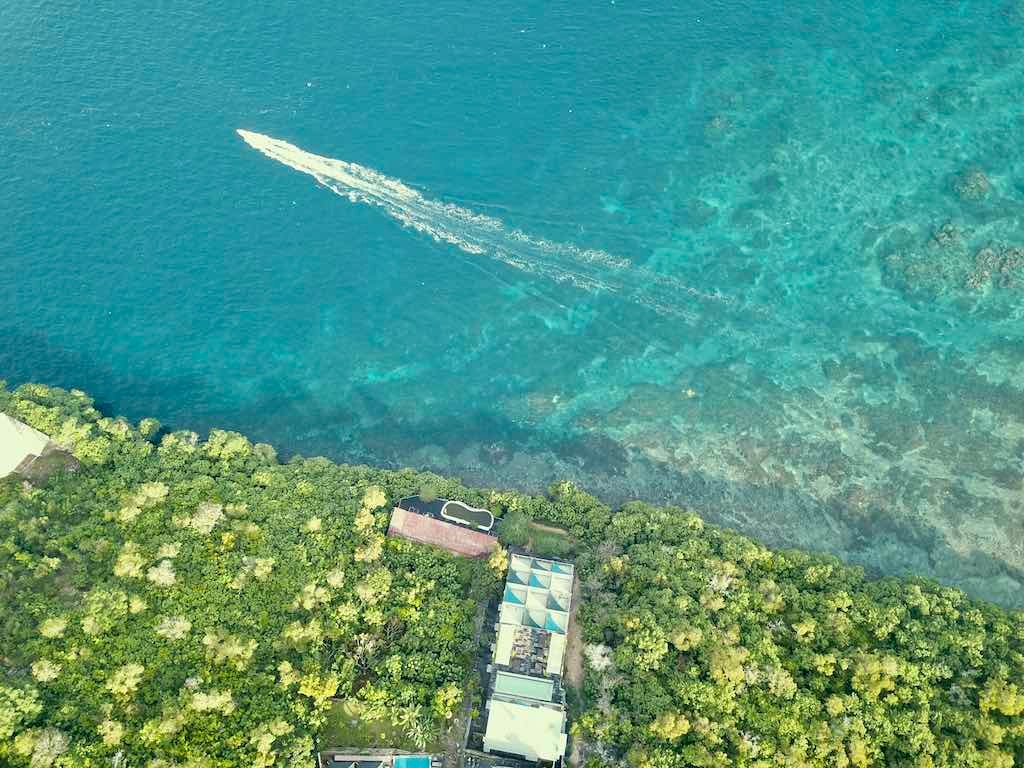
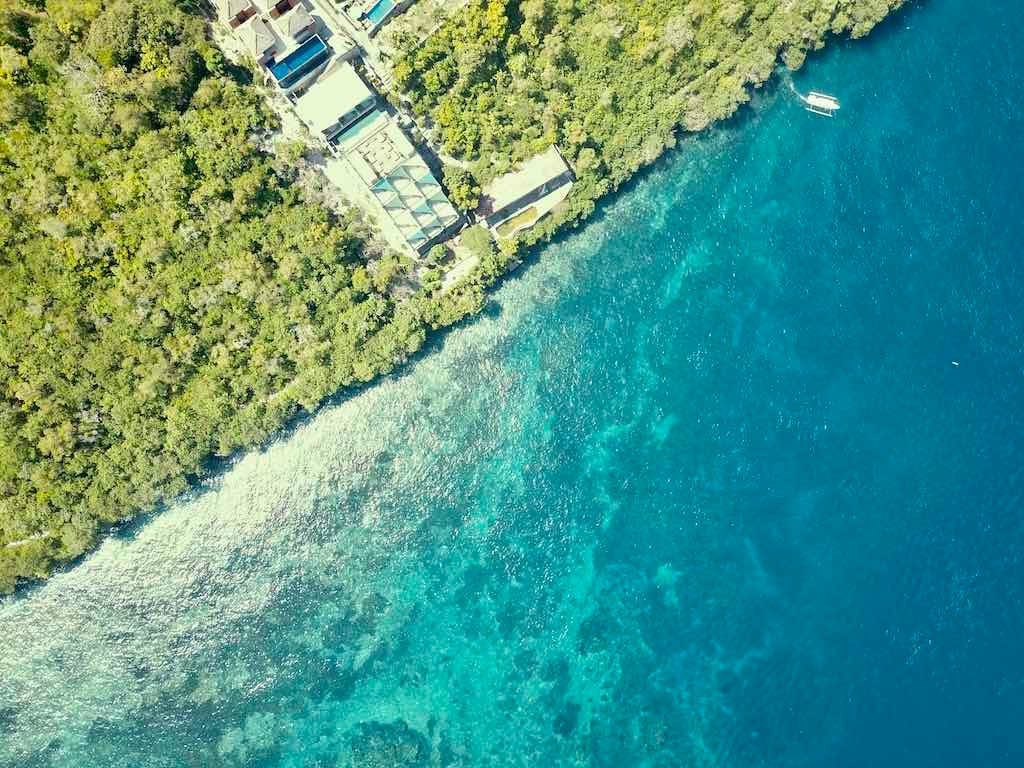
Toyapakeh Wall is the reef along the shore at Toyapakeh, on Nusa Penida’s north-west coast, facing Nusa Ceningan and Nusa Lembongan across the strait. Blaise Jaeger of Nusapenida.org places it right in front of the Adiwana Warnakali hotel and the Dune Penida dive centre, about 2 minutes by boat from the harbour. The reef runs parallel to the coast for several hundred metres.
Coral bommies rise to less than 3 m below the surface before the wall drops to 30 to 40 m, so there’s plenty to see from the top. Bali’s 2017 marine park management plan describes very healthy, colourful coral near the cliff, mostly Acropora, and notes that turtles are often seen. Blaise lists green and hawksbill turtles, trevallies, barracudas, moray eels and scorpionfish, with gorgonians, giant sponges and soft coral. Visibility is often over 25 m.
The current in the strait
The same moving water that keeps the reef healthy makes Toyapakeh tricky. The 2017 plan explains that water from north of Lembongan and north of Penida meets and flows south into the Toyapakeh strait, which makes the current there very strong. The seabed drops fast too: 50 m deep is only 55 to 80 m from the shore. Wikivoyage warns that currents around the island are strong and in places unpredictable.
Blaise rates the current mild to moderate, sometimes strong, and says it changes with the tide. Emperor Divers notes that the shallow bay is sheltered from the channel’s swift currents, while deeper drifts usually run north. The plan names the south side, close to the cliff, as the most popular snorkeling area.
Check the BMKG marine forecast for Nusa Penida Harbour, which shows current and tide as well as waves. On the day, let the guide decide where you get in.
The guide and boat pickup
On a drift, you float along the reef with the current and the boat collects you farther along, so you don’t swim back to the start. Before you get in, ask where you’re heading, how close to stay, which hand signals to use and what to do if you lose the group. If you feel the current pulling you away from the reef, signal the boat rather than swimming against it.
Blaise notes you can also get in from Toyapakeh beach. We’d still go with a guide: the harbour is busy with boats, and nobody follows you on a shore entry.
Ability and equipment
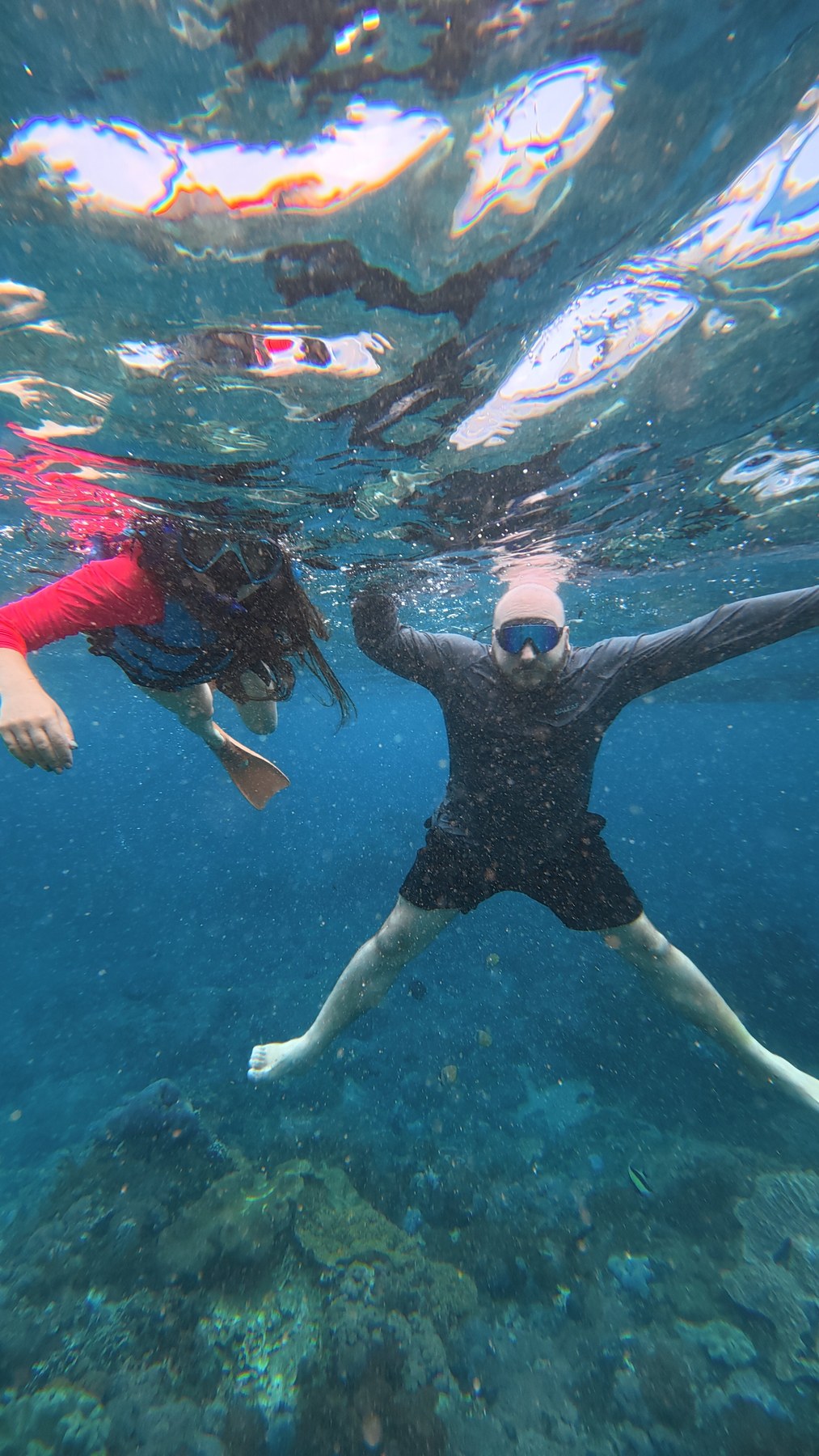
You need to be comfortable floating, using a snorkel and following a guide in open water. Tell the operator if you’re a weak swimmer or find fins difficult. Wear a life jacket that fits when the guide recommends it, but remember that fins and a vest don’t make a strong current safe. If you’re unsure, ask for the sheltered part of the reef or a calmer stop like Gamat Bay.
Choosing an operator
Ask about group size, how many guides are in the water and what safety equipment is on board. Ask how the boat follows swimmers and which site they use if the current is too strong. Choose an operator that’s willing to change or skip the site when conditions don’t suit your group.
Keep clear of coral
Keep your fins and loose gear away from the coral, especially over the shallow bommies. Don’t stand on the reef, chase turtles or touch anything for a photo. The reef is inside the Nusa Penida Marine Protected Area, and the 2017 zoning plan makes Toyapakeh a marine tourism sub-zone, set aside for habitat protection and tourism.
Mola mola visit a cleaning station deep in front of the entry point, roughly from July to October. That’s a diving sighting, and Blaise is clear that encounters are never guaranteed.
Booking the trip
Because it’s so close to the harbour, Toyapakeh is easy to combine with Gamat Bay to the south-west or SD Point to the east. Confirm the planned stops and the meeting point before booking a driver.
If you’d like to stay close to the boats, see Toyapakeh stays.
Continue planning
More snorkeling guides
Research notes
Sources and verification
Check current boat times, prices and conditions before you go.
We used the sources below. We haven't recorded an on-site check, so ask locally about current access and facilities.
- Blaise Jaeger's Toyapakeh Wall diving and snorkeling guide (Nusapenida.org, updated 2 July 2026) Source checked Oct 13, 2026
- Bali Marine Affairs and Fisheries Office, KKP Nusa Penida management and zoning plan (2017) Source checked Oct 13, 2026
- Emperor Divers, Nusa Lembongan and Nusa Penida dive sites Source checked Oct 13, 2026
- Nusa Penida travel guide on Wikivoyage Source checked Oct 13, 2026
- BMKG marine forecast for Nusa Penida Harbour Source checked Oct 13, 2026