
Snorkeling
Gamat Bay Snorkeling: Reef, Currents and Boat Trips
 By Made Surya
Last edited:
Facts reviewed:
In this guideWhat you’ll see
What you’ll see
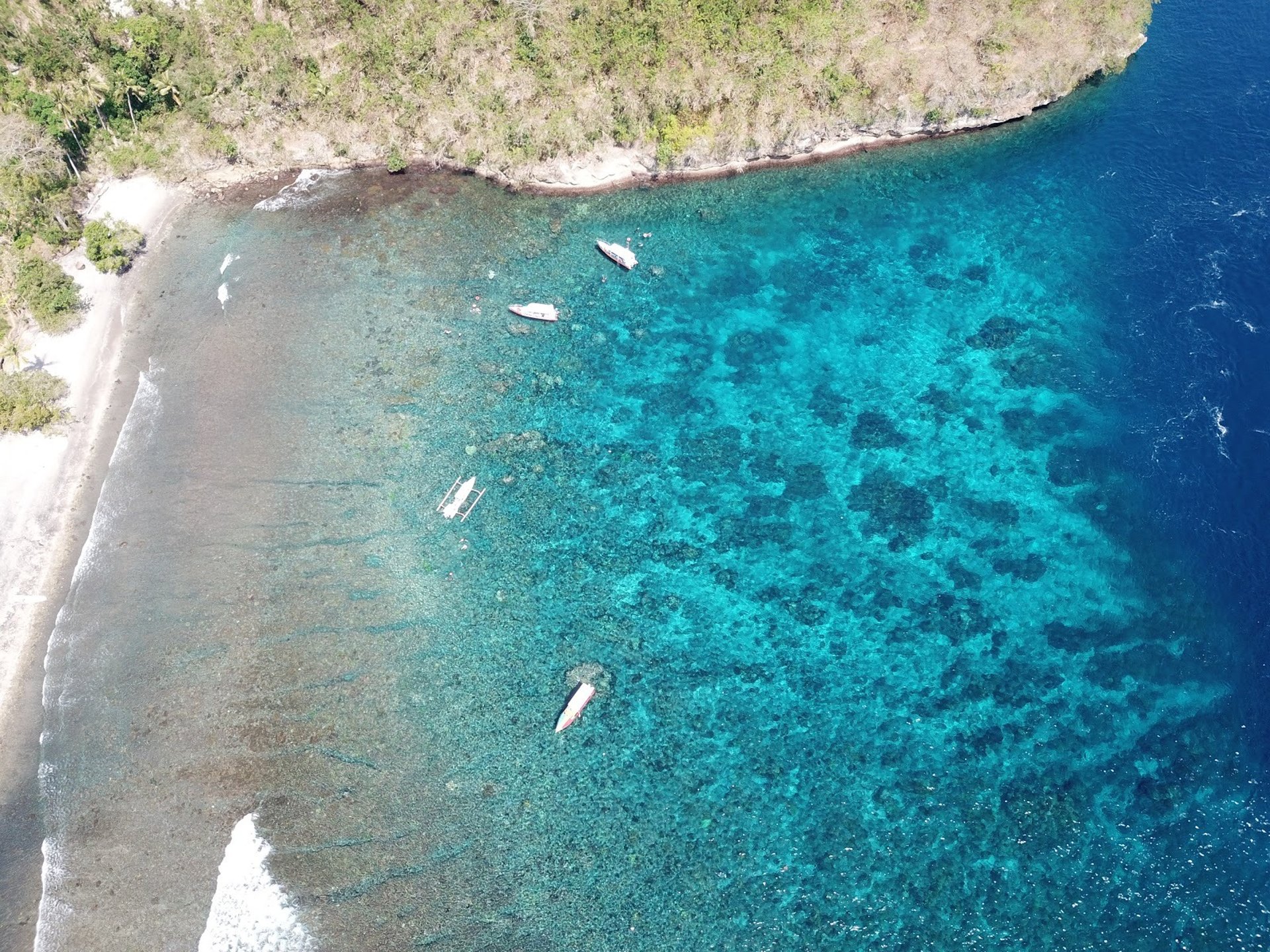
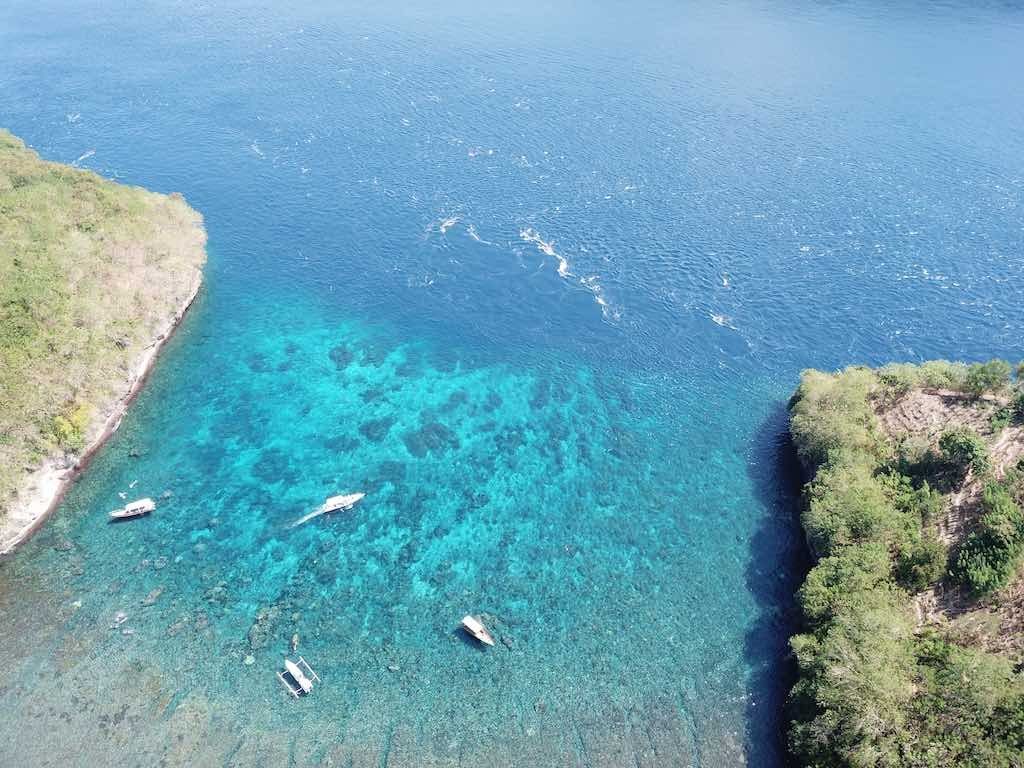
Gamat Bay is a small bay on Nusa Penida’s west coast, in Sakti village, between Toyapakeh and Crystal Bay. It faces Nusa Ceningan across the strait. A shallow coral plateau sits between two rocky points, about 6 to 8 m deep and rising to just a few metres below the surface, so you can float right over it. Blaise Jaeger of Nusapenida.org calls it one of the most rewarding snorkeling spots on the island.
Bali’s 2017 marine park management plan describes soft coral on boulders and big table corals at 5 m or less, with schools of large reef fish around the boulders. Turtles often graze below, and marble rays and batfish are regular sights. Visibility is usually about 15 to 25 m. Reef sharks, leaf fish and other finds on Blaise’s list are mostly for divers on the deeper slope.
Stay inside the bay
The bay is sheltered, but the water outside it isn’t. The 2017 plan warns of a very strong current in the middle of the site and recommends snorkeling in the shallow part near the beach. Blaise rates the current mild to strong and sometimes changing, and says it can carry you out of the bay quickly. Emperor Divers describes the shallow bay as a place to escape the strong currents found on the slope outside.
Stay over the plateau and close to your guide. If you feel yourself being pulled toward the mouth, raise your hand and signal the boat instead of swimming hard against it. At low tide the coral is closer to the surface, so keep your fins up and never stand on it.
Check the BMKG marine forecast for Nusa Penida Harbour before your trip. It shows wave height, wind, current and tide, and the guide will still decide on the day whether to stop.
By boat or from the beach
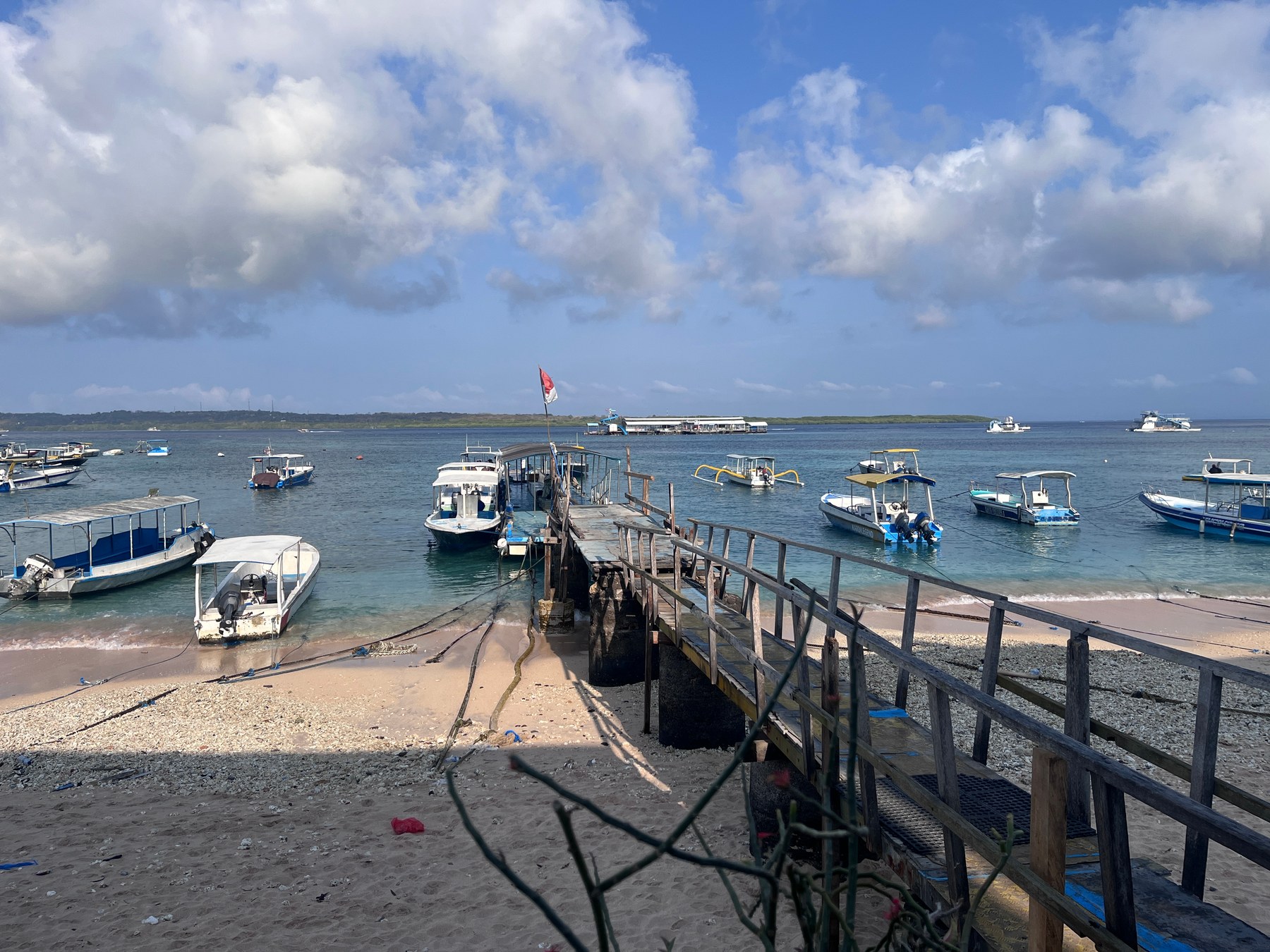
Most visitors come by boat. It’s about 10 minutes from Toyapakeh, and the 2017 plan notes that most visitors then came across from Nusa Lembongan. Gamat is a regular stop on shared trips: Visit Penida’s Manta Point snorkeling trip and four-stop shared trip both plan to stop here. Neither includes hotel pickup, so ask where the boat leaves from and arrange your ride there.
You can also reach the beach by road from Sakti. See Gamat Bay Beach for the final path and the trip back up. Blaise points out that the beach isn’t supervised. Without a boat nearby, wear fins, never snorkel alone and stay close to shore. A boat stop doesn’t include time on the beach.
Gamat Bay or Manta Point?
Choose Gamat Bay for coral, fish and a calmer stop close to the north-west harbours. Choose Manta Point if seeing mantas matters most, but expect a longer ride and swell on the exposed south-west coast. Many trips include both, and sightings at either aren’t guaranteed.
Who it suits
Gamat suits most people who can swim and are happy with a mask and snorkel. Beginners do well on a calm day with a guide and a life jacket. Tell the operator before booking if anyone can’t swim. Gear doesn’t make open water safe for them, and Gamat is only one stop on a boat trip that goes farther out.
Before you get in, ask the guide where you’ll enter and exit, how far toward the mouth you can go, and how the boat will pick you up.
Look after the reef
Gamat Bay is inside the Nusa Penida Marine Protected Area. The 2017 zoning plan puts it in the Ceningan Wall-Gamat marine tourism sub-zone, set aside for habitat protection and tourism. Don’t stand on the coral, touch turtles or rays, or chase them for a photo. Keep fins and loose gear clear of the reef.
Mola mola visit the wall at the mouth of the bay from about July to October, but that’s a deep sighting for experienced divers. Don’t plan a snorkel around it.
Plan your day
Give the snorkeling trip its own half day. The 5D4N itinerary has separate west, east and snorkeling days. Choose a place to stay first, then confirm the meeting point before arranging a driver.
Continue planning
More snorkeling guides
Research notes
Sources and verification
Check current boat times, prices and conditions before you go.
We used the sources below. We haven't recorded an on-site check, so ask locally about current access and facilities.
- Blaise Jaeger's Gamat Bay dive and snorkel guide (Nusapenida.org, updated 2 July 2026) Source checked Oct 13, 2026
- Bali Marine Affairs and Fisheries Office, KKP Nusa Penida management and zoning plan (2017) Source checked Oct 13, 2026
- Emperor Divers, Nusa Lembongan and Nusa Penida dive sites Source checked Oct 13, 2026
- BMKG marine forecast for Nusa Penida Harbour Source checked Oct 13, 2026