

- Category
- Practical planning
- Area
- Nusa Penida
- Highlights
- Bring rupiah before the boat, Cards and contactless are widely used, Keep ATMs as a backup
- Locations covered
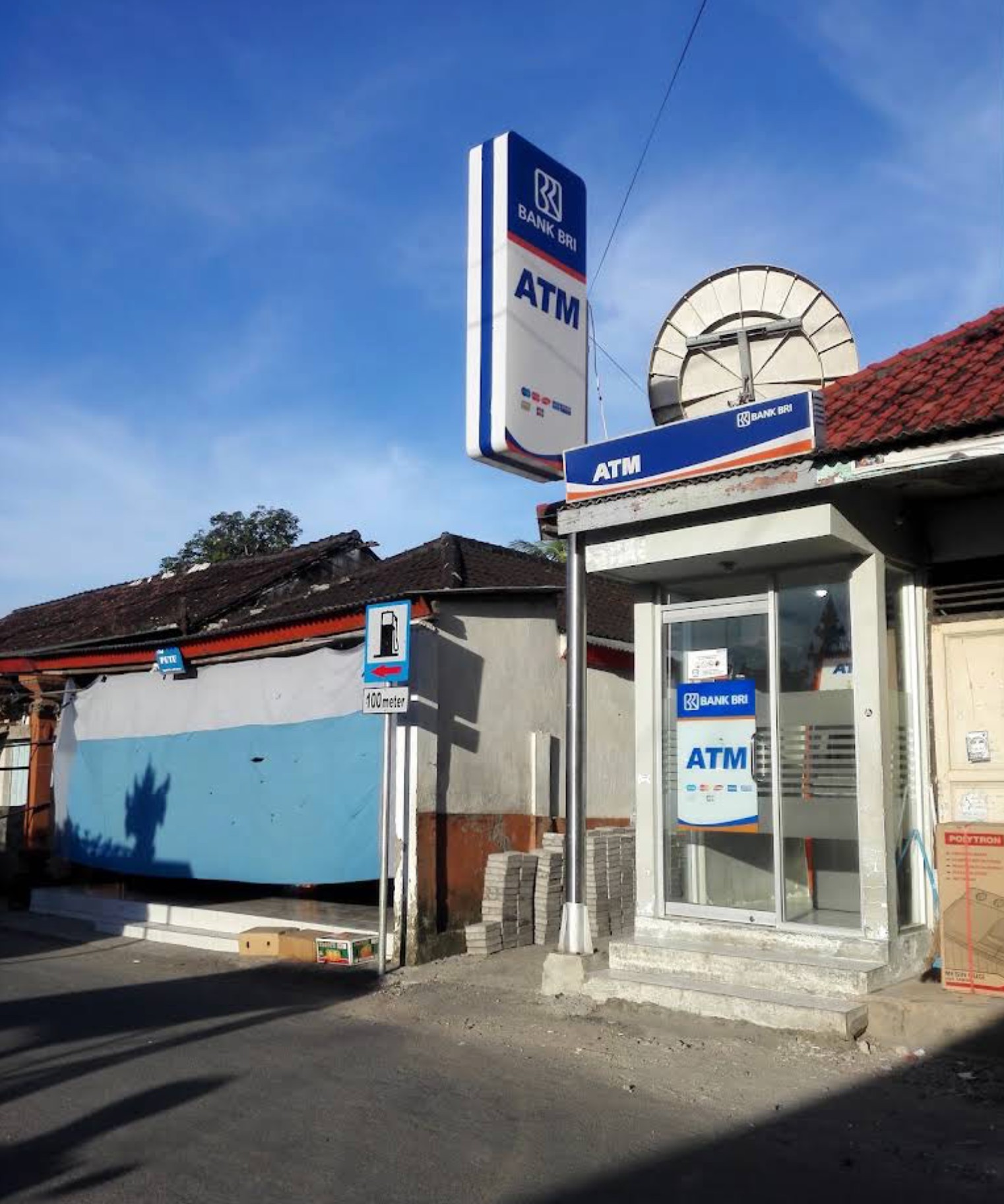
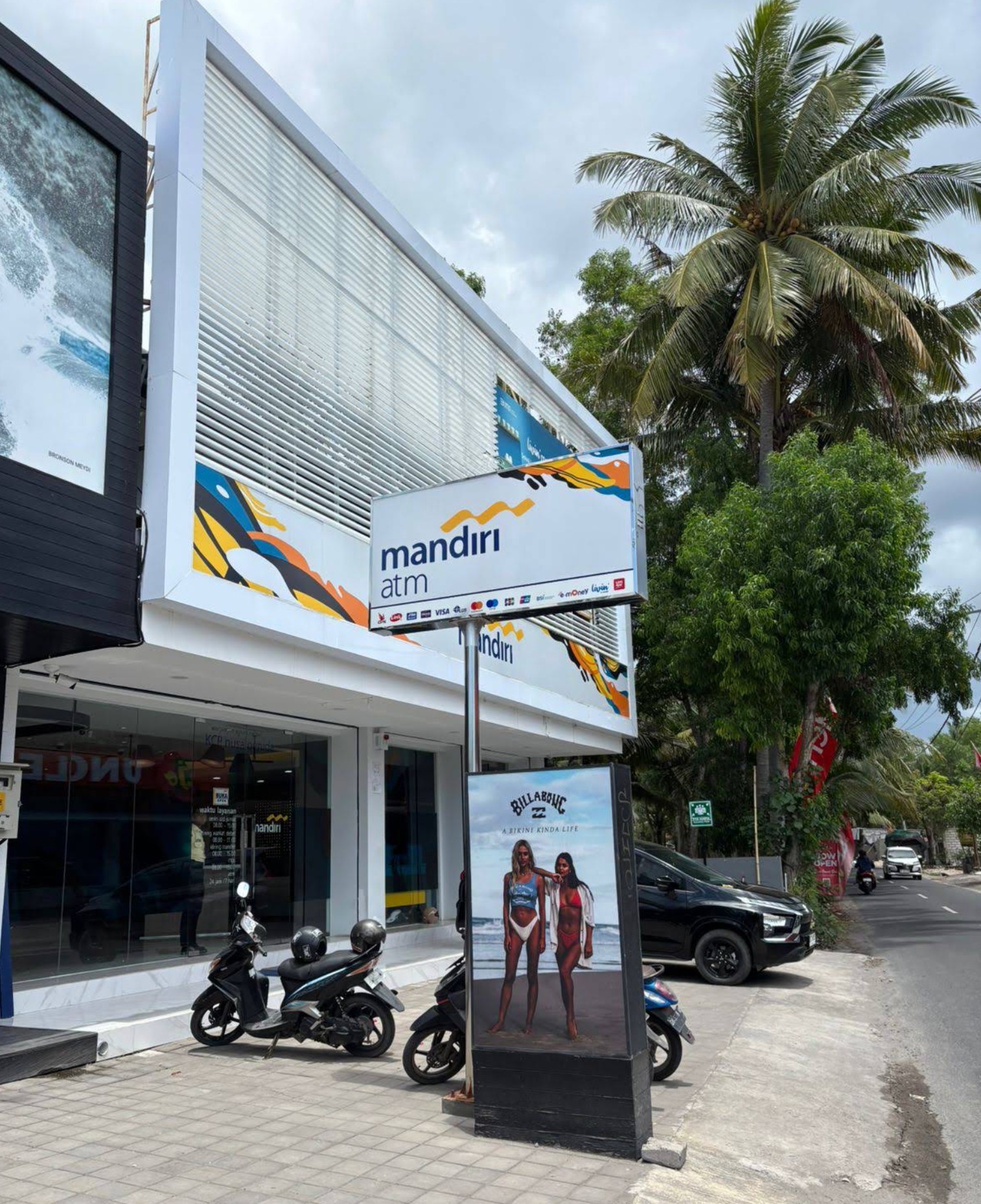
- BRI near Banjar Nyuh; Mandiri in Ped
- Withdrawal fees
- Check the ATM screen before accepting
- Backup
- Separate reserve cash and a second card
In this guidePlan your money before the boat
Plan your money before the boat
Bring your rupiah from Bali. Having cash ready means you can get off the boat, meet your driver and start your stay without an ATM detour.
Use Visa or Mastercard for bigger bills, and keep cash for warungs, parking, donations and other small purchases. Bring a second card and keep a little spare cash away from your main wallet.
Work out what you will need with the Nusa Penida cost and budget guide. Ask your accommodation, driver and snorkeling provider how they take payment before you arrive.
ATMs near Banjar Nyuh and Ped
Two places to look along the north coast are BRI near Banjar Nyuh harbour and Mandiri in Ped. Ask your host about other machines nearby if neither is convenient.
BRI near Banjar Nyuh
Made, Visit Penida’s owner, points travelers to the BRI ATM near Banjar Nyuh harbour. The photo at the top of this guide shows the booth and bank sign. Ask your host for directions and whether it is working before making the trip.
Mandiri in Ped
The Mandiri ATM is in Ped on Jalan Raya Toya Pakeh-Ped. Made reports this location, and Mandiri’s Bali ATM list also lists its Nusa Penida branch there.
Made has had guests report ATM errors and cards being kept by the machine. He confirmed these experiences on 6 October 2026. Get your cash sorted before a day out on the east, south or west coast, and leave ATM withdrawals as a backup.
Withdrawal fees
There are three things to check: the ATM’s own fee, your bank’s charges and the currency conversion.
The ATM’s own fee
Mandiri’s notice, checked on 6 October 2026, lists Rp50,000 per withdrawal for Visa and Mastercard cards issued outside Indonesia. It says the fee will rise to Rp100,000 from 6 November, but doesn’t give a year. Read the fee on the screen before accepting it.
This Mandiri fee applies across Indonesia, including Bali. We haven’t confirmed BRI’s fee for foreign cards, so check the amount on its screen too.
Your bank’s fees
Your bank can add its own overseas withdrawal and exchange fees. Check those fees and your withdrawal limit before traveling. If you use a credit card to withdraw cash, check the cash-advance fee and interest too.
Currency conversion
The ATM or card terminal may ask whether you want to pay in rupiah or your home currency. The home-currency option is dynamic currency conversion (DCC) and can include a markup. Visa explains what to look for on the conversion screen.
Choose IDR to leave the conversion to your own bank. You’ll still pay any fees your bank and the ATM charge.
Paying by Visa or Mastercard
Paying by card is easy on Nusa Penida. Nearly all restaurants, hotels and supermarkets have EDC card terminals, and contactless is common. That’s Made’s local experience, confirmed on 6 October 2026. Snorkeling providers also take cards.
You can use Visa or Mastercard for most hotel, restaurant and supermarket bills. Keep some cash handy for small vendors, parking and local services, or when a terminal is offline.
Contactless and Apple Pay
Apple Pay works at EDC terminals with contactless switched on, as long as the business accepts the Visa or Mastercard in your Apple Wallet. Tap your iPhone or Apple Watch just like a contactless card. Look for the contactless symbol on the reader.
Bring your physical card as well. It’s useful if the terminal can’t take a tap payment.
What about a 3% card charge?
Allow for an extra 3% when paying by card. Made says every place he visits that takes cards adds it. On a Rp500,000 bill, that’s Rp15,000 extra, making Rp515,000 before any fees from your own bank.
Check the final amount before tapping. Include your own bank’s fees when comparing the cost of paying by card with withdrawing cash.
If an ATM keeps your card or fails
Deal with it straight away:
- Call the bank that issued your card. Visa says to contact your bank straight away if an ATM keeps your card. Use your banking app or an official number and follow the bank’s advice to freeze or block it. Stay nearby while doing this if it’s safe.
- Note the machine and time. Save the bank name, machine number, location, amount you tried to withdraw and any error message. Keep the receipt. Never give your PIN to someone offering to help.
- Contact the ATM’s bank. Find its contact details on the bank’s official website. Ask how to get your card back, what ID you need and where to go.
- Use your backup. Switch to your spare card or cash while the banks help you get the card back or replace it.
Some of Made’s guests have had to visit a bank office in Bali to sort out a card kept by an ATM. That’s a frustrating way to spend a short island stay. Ask the banks where you need to go and what to bring before booking another boat.
If no cash comes out but money leaves your account, save the receipt or error details and contact your own bank and the ATM bank. Don’t keep trying the same withdrawal while the first one is still being checked. Save the reference numbers the banks give you.
Cash, QRIS and payment backups
Carry rupiah and smaller notes
Pay in rupiah, Indonesia’s local currency. Bank Indonesia explains the rules on using rupiah.
Smaller notes are useful for food, parking, donations, sarong rental and quick purchases. A small vendor may struggle to change a large note. Bring enough cash for any driver or activity you’ve agreed to pay in cash.
Check whether your app works with QRIS
QRIS is Indonesia’s QR payment system. Some overseas payment apps work with it through cross-border QRIS. Bank Indonesia’s update explains which countries and apps are supported.
Check with your app provider before relying on it. Being able to scan a QR code doesn’t mean your app can pay through QRIS. Try a small payment first and keep cash or a card handy.
Exchange and store money carefully
If you prefer to exchange foreign cash, do it at a reputable outlet before crossing. Check the rate and final rupiah amount, count the notes at the counter and keep the receipt.
Carry the money you need for the day in your wallet and keep the rest somewhere separate. Keep your spare card elsewhere too. Save your banks’ contact numbers somewhere you can reach even if you lose your phone.
Before-you-travel checklist
- Bring rupiah from Bali, including smaller notes.
- Check how your hotel, driver and activity provider take payment.
- Allow for the extra 3% Made sees when paying by card.
- Set up your Apple Wallet card before leaving, and bring the physical card too.
- Check overseas card use, bank fees and withdrawal limits.
- Pack a second card and keep reserve cash separate.
- Save official bank contacts.
- Read the fee and currency screen before approving a withdrawal or tapping your card.
Use the Nusa Penida harbours guide to plan your arrival, then enjoy the island with your cash and cards already sorted.
Continue planning
More travel guides
Research notes
Sources and verification
Check current boat times, prices and conditions before you go.
- Made, Visit Penida owner, confirmed 6 October 2026
Made points travelers to BRI near Banjar Nyuh and Mandiri in Ped. He has had guests report ATM errors, cards kept by machines and trips to Bali to sort them out. Nearly all the restaurants, hotels and supermarkets he knows have EDC terminals, contactless is common, snorkeling providers also accept cards, and every card-accepting place he encounters adds 3%. These are his experiences with local businesses and guests. Both photographs were supplied with publication permission.
Owner confirmation Oct 6, 2026 - Bank Mandiri foreign-card ATM access-fee notice Checked Oct 6, 2026
- Bank Mandiri Bali ATM location list Checked Oct 6, 2026
- Apple guidance on where to use Apple Pay Checked Oct 6, 2026
- Visa card-security and retained-card guidance Checked Oct 6, 2026
- Visa dynamic currency conversion guidance Checked Oct 6, 2026
- Bank Indonesia rupiah requirements Checked Oct 6, 2026
- Bank Indonesia cross-border QRIS update, 26 September 2026 Checked Oct 6, 2026