

In this guideA familiar name for the island’s local dogs
A familiar name for the island’s local dogs
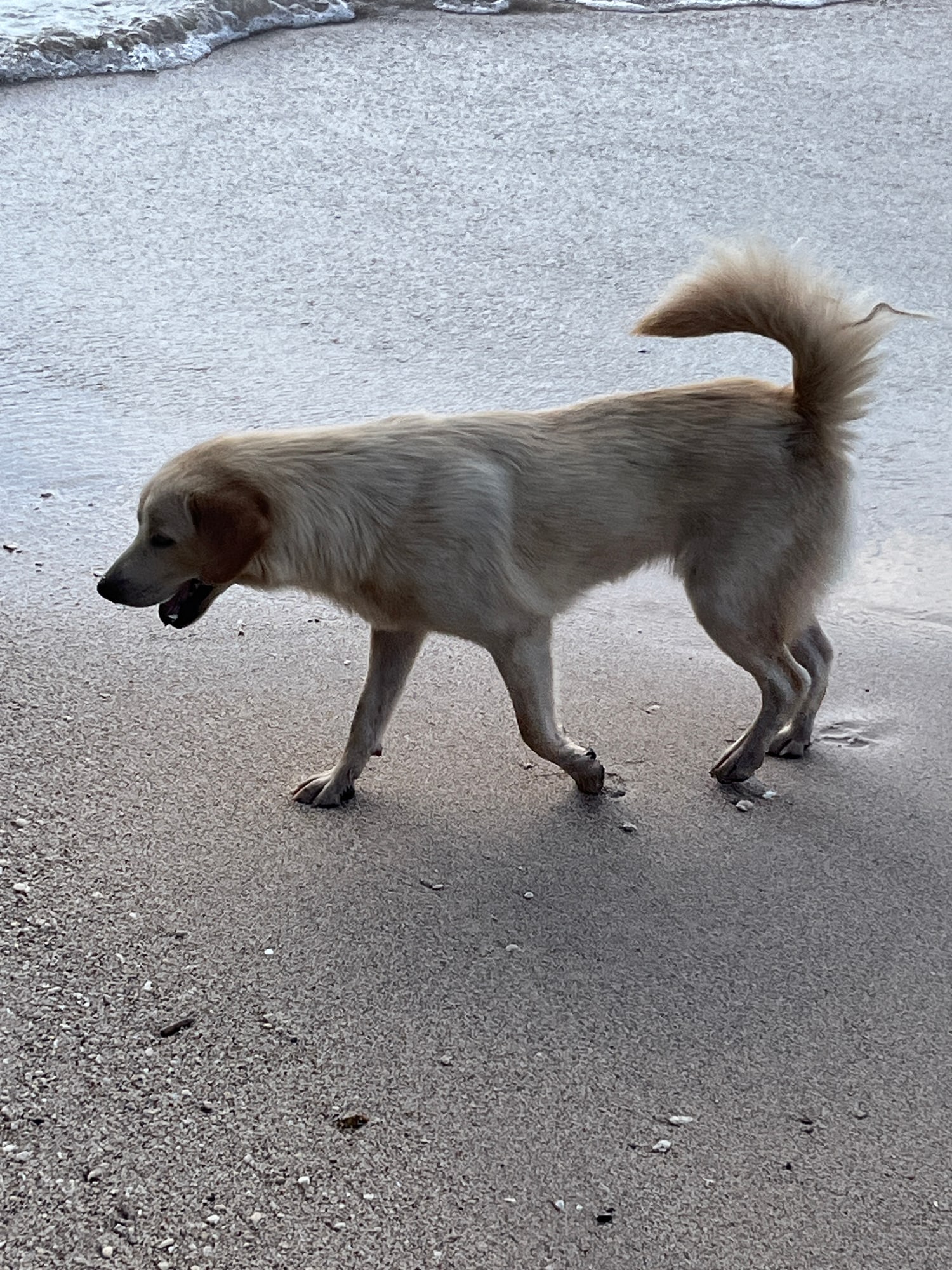
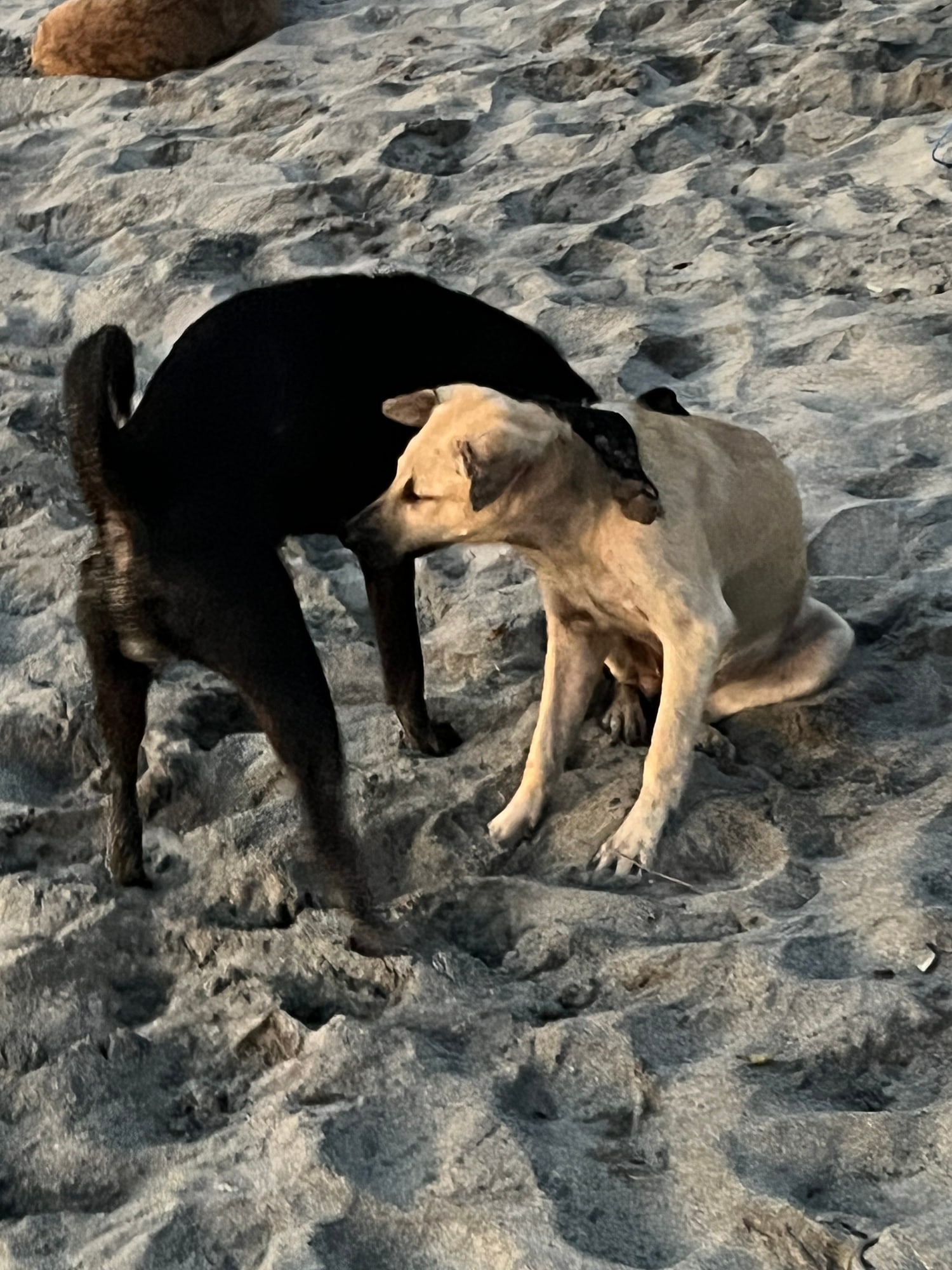
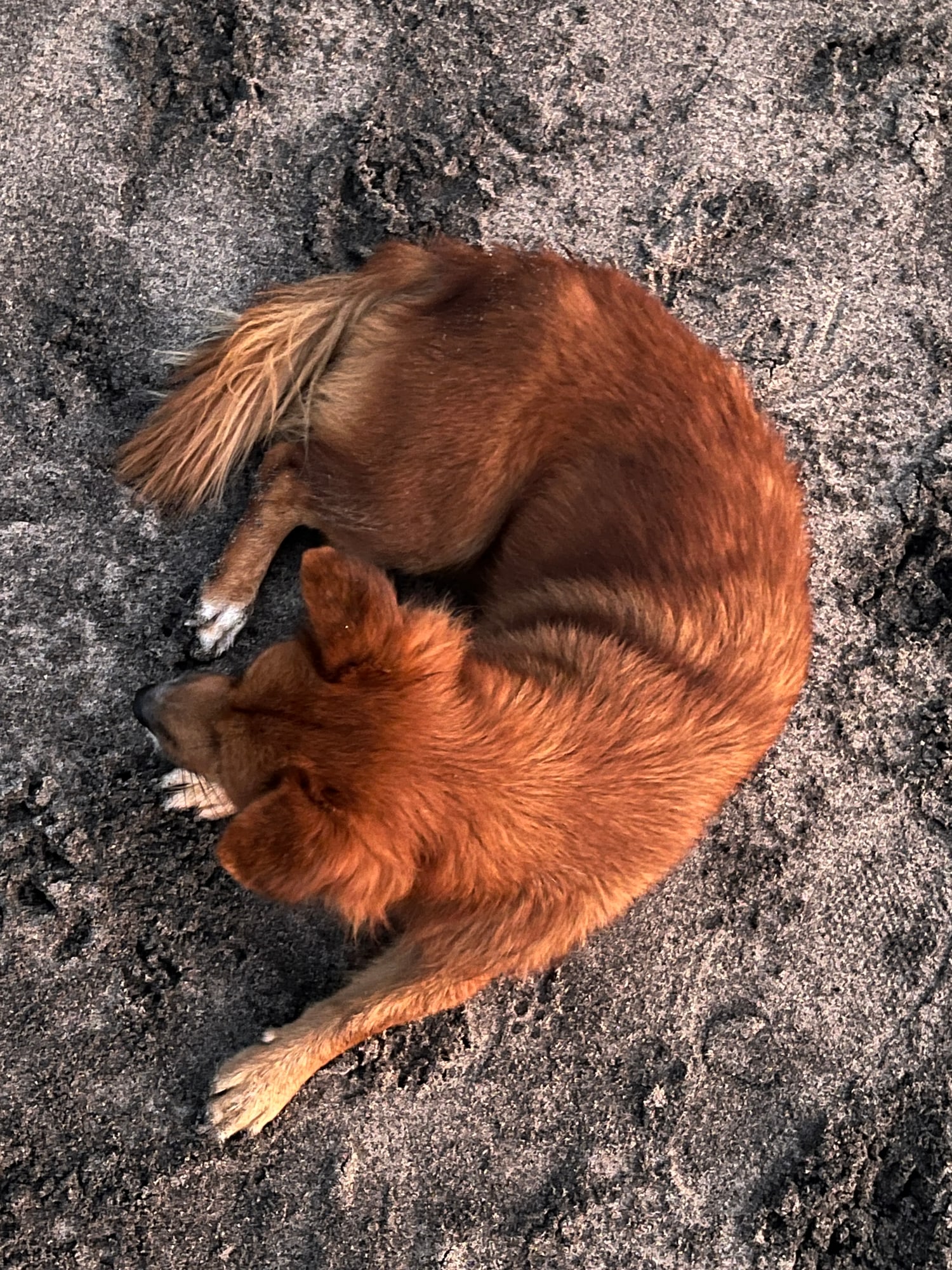
A dog curled up on the sand, another walking along the waterline, a pair standing close together: these small scenes are part of the story behind kuluk kacang. The local name is used for Bali’s village dogs, also known as anjing kampung in Indonesian. A 2018 veterinary conference paper published in Hemera Zoa uses the term for local Bali dogs.
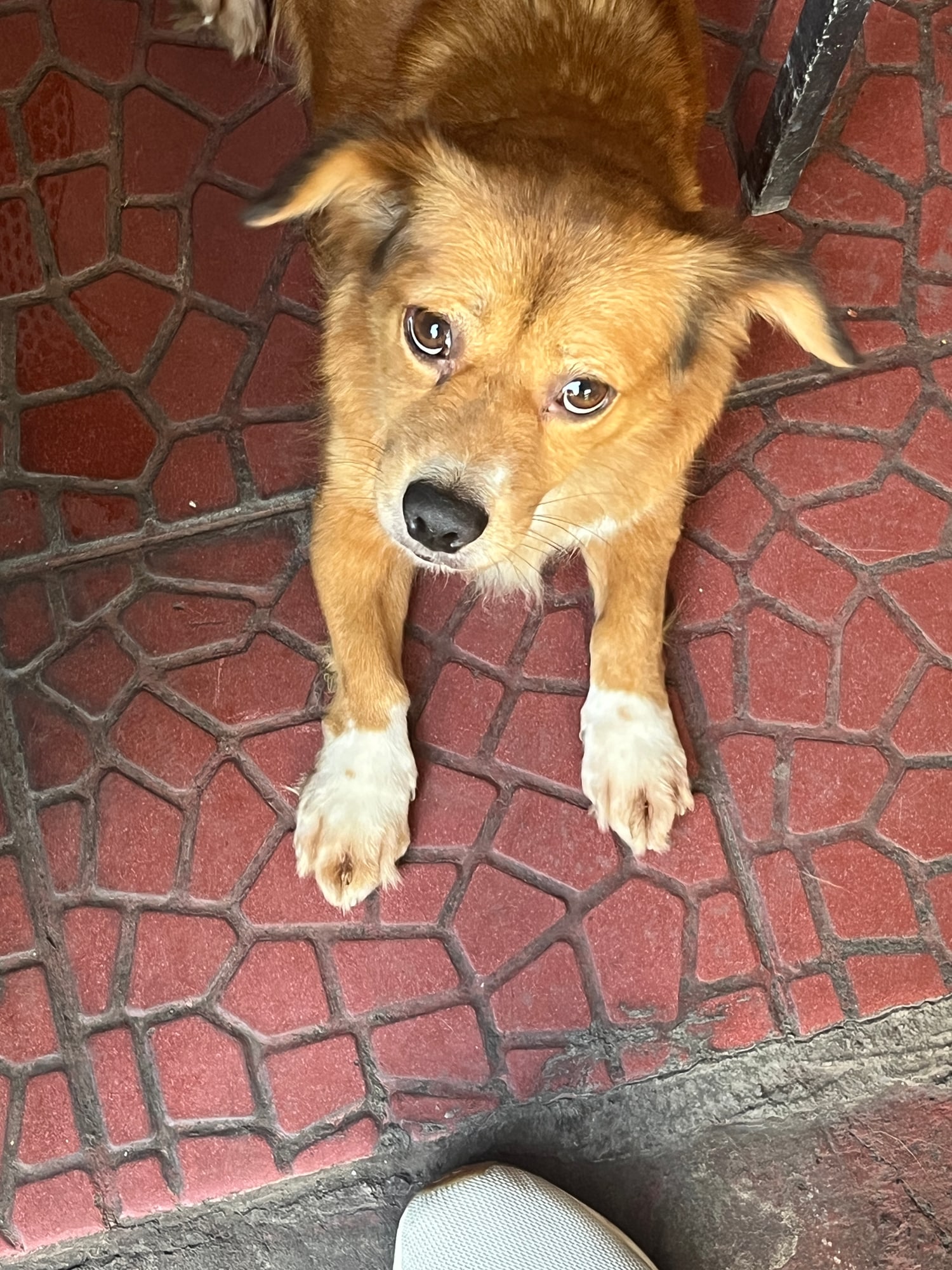
This photo story brings that name to Nusa Penida through Made Bhisma’s original photographs. Look at the differences between the dogs, rather than expecting one colour, coat or expression. The golden dog looking up from red paving feels quite different from the cream-coloured dog by the sea.
Different coats, ears and tails
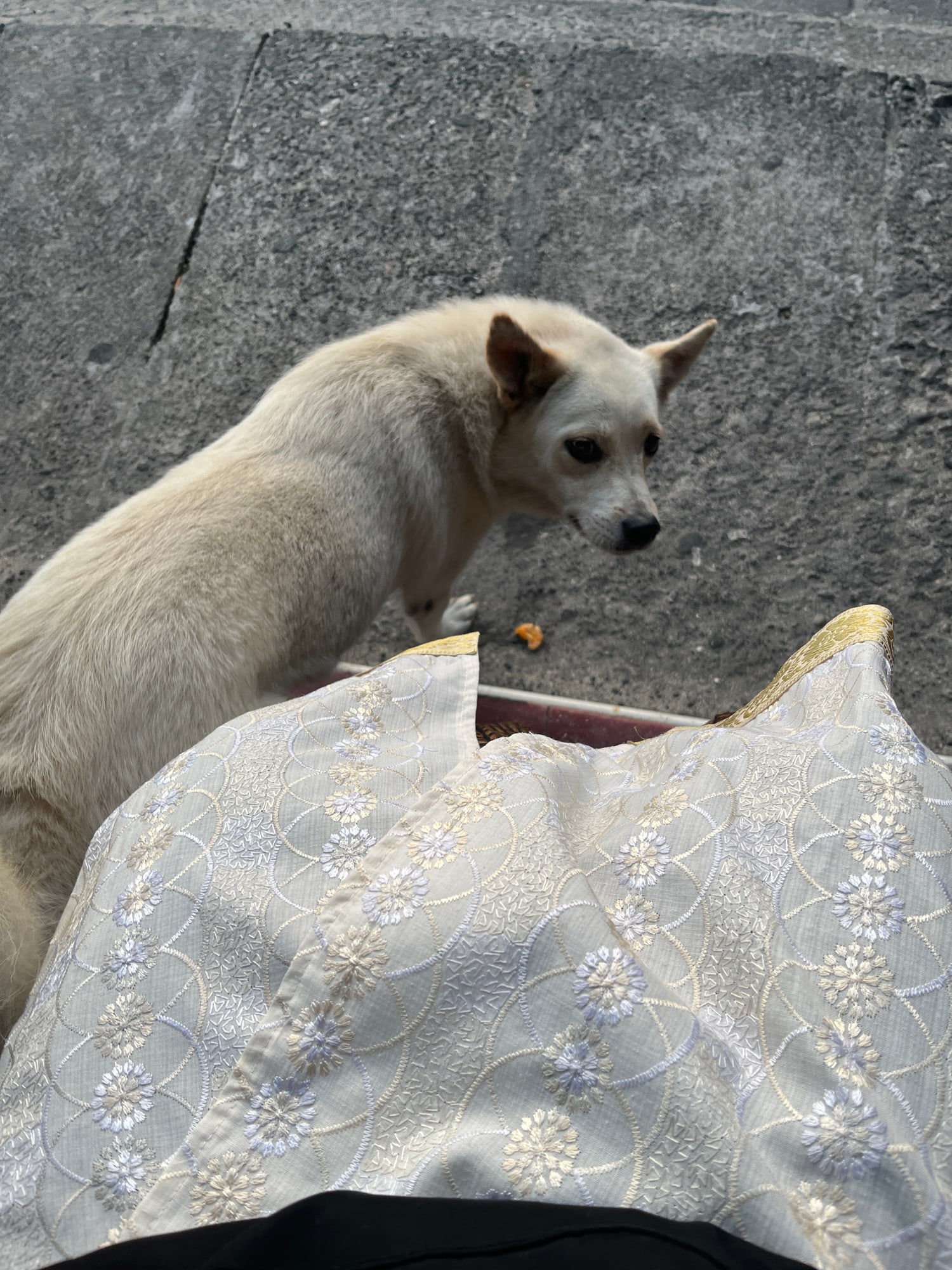
The photographs show black, tan, reddish-brown and cream-coloured dogs. Some have short coats; others have more hair around the neck or tail. Those visible details make each dog worth noticing, but they don’t tell us its ancestry.
There is an interesting scientific story behind Bali’s dogs. A study published in 2005 tested 40 dogs from the Denpasar area using 31 genetic markers and found high genetic diversity compared with the dog populations in that study. Irion and colleagues’ research helps explain why local dogs deserve attention beyond a pedigree label.
That sample was from Denpasar, not Nusa Penida. It doesn’t identify the dogs in these photographs or establish a separate Nusa Penida breed.
A dog outside may still have a family
Don’t assume a dog is homeless because it is walking along a beach or road. In research published in 2015 on dogs and Balinese communities, keeping dogs as guards and companions went alongside allowing them to roam. The underlying interviews and survey took place in 2011 in Denpasar, Gianyar and Karangasem.
The useful lesson for your visit is simple: ask nearby residents before deciding a dog needs rescuing. We haven’t recorded who cares for the dogs pictured here. A collar, or the absence of one, isn’t a complete story.
Kuluk kacang and Kintamani are different names
Kintamani-Bali has its own breed standard. The Fédération Cynologique Internationale’s standard names Sukawana village in the Kintamani district of Bangli as its origin and describes a double coat and a feathered tail.
Kuluk kacang is the broader local name in this article. Don’t label every fluffy, pale or curled-tail dog a Kintamani. Enjoy the individual dog’s appearance without guessing its pedigree.
Watch their day without interrupting it
The quiet photographs are the ones that invite you to slow down: a dog resting on sand, or facing the sea while the light changes. You can notice those moments without touching the dog or making it pose.
Use your camera’s zoom and leave a clear path for the dog to move away. Don’t surround it for a group photo. Keep children beside you, and leave eating dogs, sleeping dogs and mothers with puppies alone. CDC’s advice for travelers is to avoid direct contact with unfamiliar animals.
If a dog becomes threatening, stay calm, avoid staring into its eyes and back away slowly. Don’t run, shout or try to push past it. Give it more room and ask someone nearby for help.
If you want to help a dog
Ask residents or your accommodation who looks after it. If it appears injured or unwell, seek help from a local veterinarian or ask an animal-welfare organisation for advice rather than trying to pick it up yourself.
The Bali Animal Welfare Association works to protect Bali’s dogs. Contact an organisation directly to ask what help it can provide; don’t assume a team is available for an immediate pickup in Nusa Penida.
Supporting proper care is more useful than luring an unfamiliar dog close with food. You don’t need a hands-on encounter to appreciate it.
If you’re bitten or scratched
Wash the wound straight away with soap and running water for at least 15 minutes, then seek urgent medical care. Tell the clinician about the animal and any saliva contact with broken skin, your eyes or your mouth. WHO recommends prompt assessment and treatment after a possible rabies exposure. Don’t wait for symptoms or for your boat back to Bali.
A photograph, calm behaviour or a dog’s appearance can’t confirm its vaccination status. Let a clinician decide what treatment you need.
A quieter side of Nusa Penida
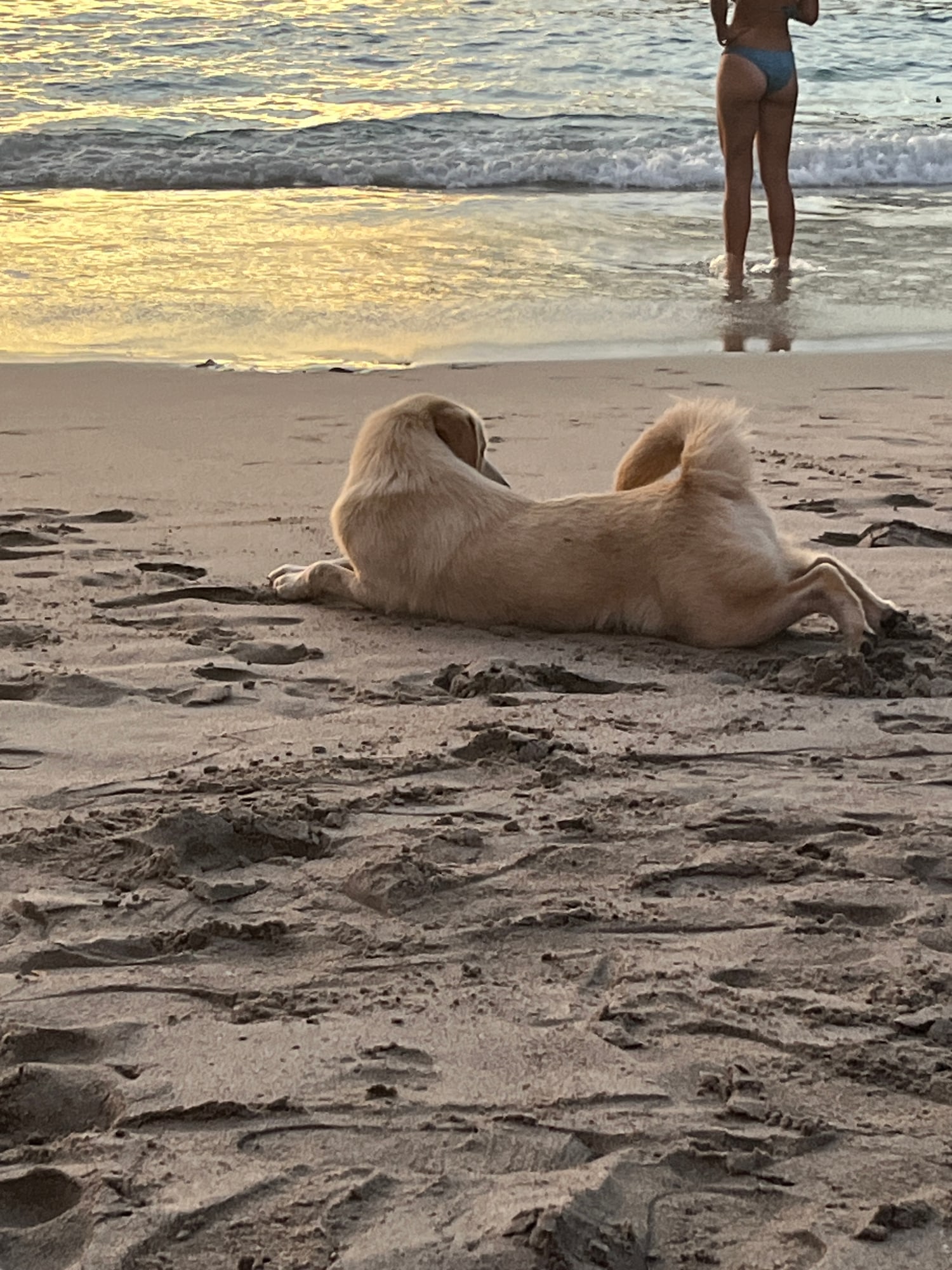
Nusa Penida isn’t only its cliff views. These photographs leave room for the small things: a curled tail, white paws on red paving, or a dog settling down while people enjoy the beach.
Give yourself at least 3D2N so you have one full island day and time to notice more than the main viewpoints. Explore the beach guides at your own pace, and leave the dogs space to enjoy their day too.
Continue planning
More travel guides
Research notes
Sources and verification
Check current boat times, prices and conditions before you go.
- Made Bhisma's original dog photographs
Seven original photographs supplied for the kuluk kacang article on 8 October 2026, with permission to publish and credit Made Bhisma. The photographs show dogs on sand, by the waterline and on paving. Exact capture dates and locations were not supplied. They do not establish breed, ownership, health or vaccination status.
Reported by Made Bhisma
Report confirmed Oct 8, 2026 - Hemera Zoa, veterinary congress proceedings, 2018 Source checked Oct 8, 2026
- Irion and colleagues, Bali street dog genetic variation, 2005 Source checked Oct 8, 2026
- Widyastuti and colleagues, dogs and communities in Bali, 2015 Source checked Oct 8, 2026
- FCI Kintamani-Bali breed standard Source checked Oct 8, 2026
- CDC Yellow Book, avoiding dog bites during travel Source checked Oct 8, 2026
- WHO rabies fact sheet Source checked Oct 8, 2026
- Bali Animal Welfare Association, Bali heritage dogs Source checked Oct 8, 2026